For my multimedia story, I will be taking a walk down the Dallas Road Waterfront Trail. I have been there just once before and am still in awe of the vast beauty; I’ll be doing this alone, so I can fully appreciate and journal the experience and its meaning to me. The equipment I’ll need is pretty basic: my journal, a pen ( and a spare, just in case), my phone (for pictures and videos), a snack, water, headphones, and most of all, comfortable shoes. I plan to complete the walk in the late afternoon, closer to sunset, so I can experience the changing light. Additionally, the cooler evening weather will make the walk more comfortable, while the sunset will add a calm, reflective atmosphere to my story.
I chose to go to Dallas Road because, after careful consideration, it seemed like the best fit in terms of price, realism, and experience. I first considered a day trip to Vancouver, but concluded that it was too expensive. I then considered going on a hike, but soon realized that actually completing the hike may be energy-consuming and not give me the chance to document as efficiently. I finally decided to do something I genuinely enjoy, just going on a walk. I was so caught up in trying to plan something extravagant at first, but then I realized this is exactly the kind of adventure I’d enjoy the most. Dallas Road first came to mind – it’s scenic, nearby, and easy to access.
To effectively shape my story, I will use several key factors for good storytelling. I will use descriptive language, so the reader may immerse themselves in the journey, giving them the chance to envision Dallas Road for themselves. I will also be very intentional with my tone and the mood I’m setting; I want to carry the reader along with me on this journey, so I’ll put effort into using the right words to convey the moment.
To help guide the reader, I’ll include a simple map of the Dallas Road Waterfront Trail at the beginning of my story. This will give context for where the walk takes place and help the reader follow along as I move through each section. After the map, I’ll start by briefly explaining why I chose Dallas Road and what I hoped to get out of the walk. I’ll also outline my plan, how long I expect to spend exploring, and what I want to pay attention to along the way. From there, the main storyline will unfold, where I’ll write about my experience. Here, I’ll include the pictures and videos I take, any interesting encounters I have, and describe certain moments and how I felt in them. Finally, to conclude my story, I’ll share my honest opinion on the whole experience, whether it was enjoyable, what I learned, and what surprised me along the way. I’ll also mention anything I might do differently next time and offer a few tips for anyone who wants to visit Dallas Road themselves. Throughout the whole piece, I’ll be using Mayer’s Segmenting Principle to guide the structure, breaking everything into clear, easy‑to‑follow sections so it feels organized and intentional.
For my media, I will primarily use video, text, and images; however, I may include a song or two that I listened to on the walk (I’ll probably just state the names rather than including audio). To ensure the media aligns with Mayer’s Principles of Multimedia Learning, I will be as clear as possible when using images and text. Directly below each image, I’ll include a straightforward label of what exactly is captured. I’ll be careful to avoid unnecessary or distracting media by making sure everything I include directly supports the mood and meaning of my walk. I’ll also be writing in first-person — I want the reader to connect with my experience. All this will keep me in line with Mayer’s coherence, redundancy, contiguity, and personalization principles, as I aim to reduce cognitive load. In my writing, I’ll make sure to apply everything I’ve learned about storytelling and effective learning so the reader can move through the experience easily and stay engaged.
I chose to use text, video, and images because each one captures a different part of my experience on the Dallas Road Waterfront Trail. Text lets me describe my thoughts and feelings, images show the scenery exactly as I saw it, and video brings the movement and sound of the ocean to life. Together, they make the story more immersive and help the reader connect the moment in a clear, simple way.
One challenge I may face is finding the right words to capture the moment. I feel the best way to overcome this is to study other stories that seem similar to mine and use those as inspiration without changing my own voice. Another challenge I may face is the weather. I have carefully selected the day for my adventure in hopes of minimizing this risk, and I am relying on the forecast being as accurate as possible.
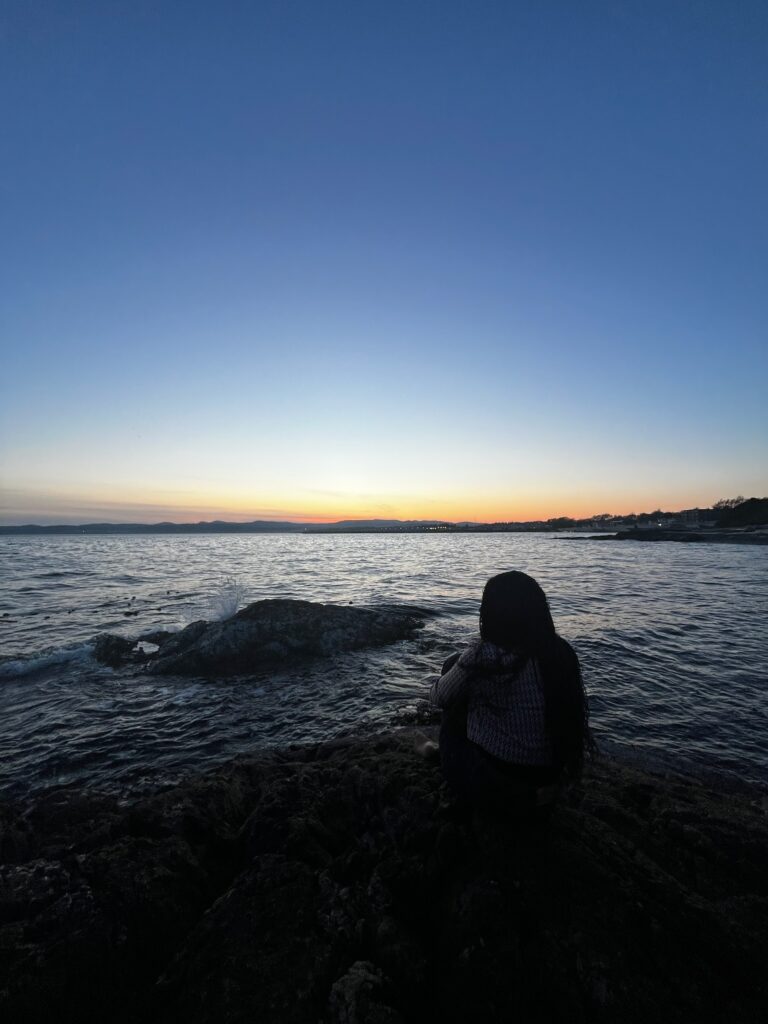
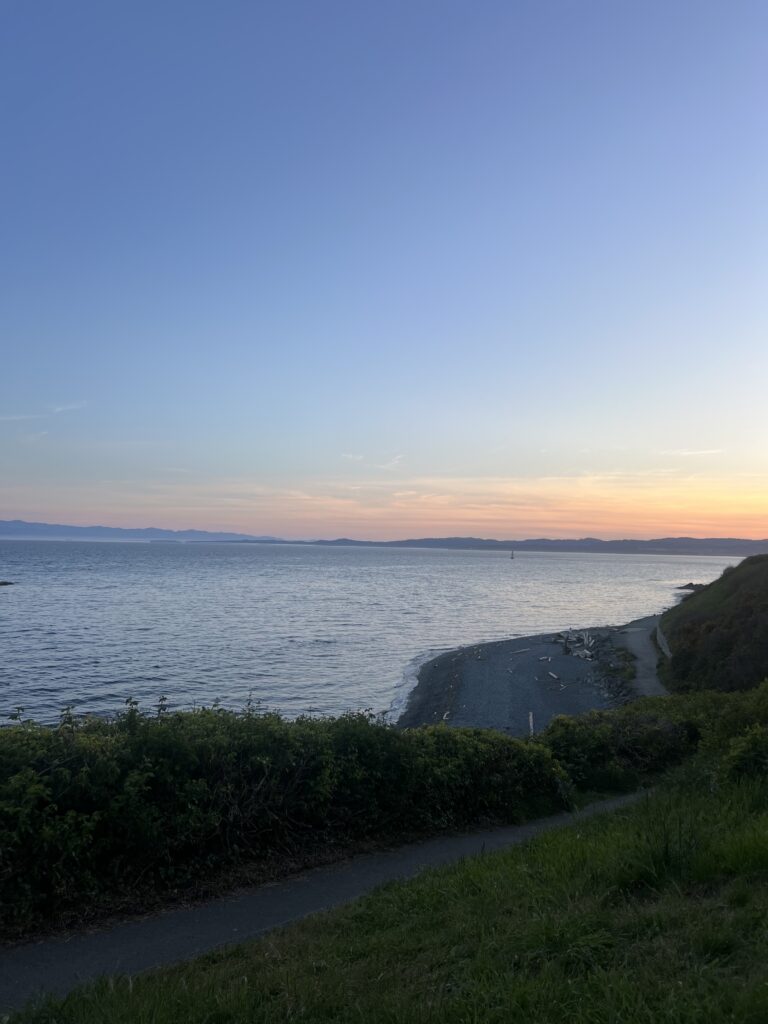
I’ve included a picture from my past visit to Dallas Road to give some insight into what my media may look like.
Leave a Reply
You must be logged in to post a comment.